RE-MARK European Project for the regeneration of rural markets through art and culture
RE-MARK: European project for the regeneration of rural markets through culture and creativity launched in Bertinoro
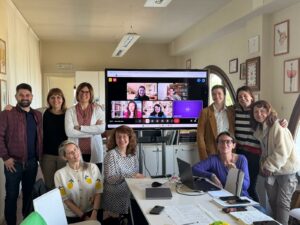
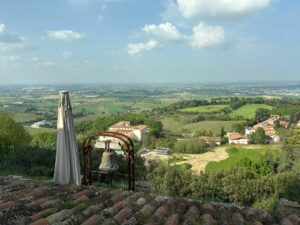
On 16 and 17 April 2026, the kick-off meeting of the European RE-MARK project, coordinated by Clust-ER Economia Urbana and funded by the Creative Europe programme, took place in Bertinoro.
The meeting marked the official launch of a 24-month initiative involving partners from Italy, Spain, Hungary and Bulgaria, with the aim of experimenting with new models for the cultural and social regeneration of rural areas.
A European project to rethink rural markets
RE-MARK was launched with the ambition of transforming rural markets into Rural Creative Markets, hybrid spaces capable of integrating artistic production, the local economy, community participation and territorial identity.
On the first day, the partnership shared its vision, objectives and project structure, organised into five work packages and four operational phases: Engage, Create, Connect, Amplify. There was strong consensus on the strategic approach, based on the integration of local experimentation and European cooperation.
Governance, management and European collaboration
The operational aspects related to project management were also defined, including governance, coordination and the financial framework.
Clust-ER Economia Urbana, in its capacity as coordinator, will act as the link between the partnership and the European Commission.
Particular attention has been paid to establishing an effective collaborative model, including in relation to the management of artistic activities and future residencies in the pilot territories.
Four pilot territories, a single European vision
One of the key moments of the meeting was dedicated to the presentation of the four pilot contexts, which form the experimental basis of the project:
- Bertinoro (Italy), focusing on the historic centre and Fratta Terme
- San Cebrián de Castro / Castrotorafe (Spain), where work will focus on the revitalisation of a historic market
- Siklós and Pécs (Hungary), with a strategy to connect rural and urban contexts
- Lazhnitsa (Bulgaria), characterised by strong community and cultural roots
The diversity of the contexts was recognised as one of the project’s main strengths, as it aims to develop a model adaptable to different territorial realities.
Co-design and involvement of local communities
The second day explored the activities of Work Package 2, dedicated to the participatory co-design of cultural regeneration strategies.
Over the coming months, each pilot territory will launch local stakeholder engagement initiatives through workshops and collaborative activities, with the aim of:
- identifying local needs and challenges
- building visions
- developing sustainable intervention strategies.
A key element will be the adoption of inclusive methodologies capable of actively engaging local communities, under-represented groups, artists and cultural practitioners.
Communication and dissemination at European level
The project includes a structured communication and dissemination strategy, aimed at promoting the results and facilitating the replication of the RE-MARK model.
Clust-ER Economia Urbana will coordinate the development of communication tools, including the project website and activities on digital channels, with LinkedIn serving as the main platform for the European institutional dimension.
Next steps
Over the coming months, the partnership will be engaged in defining local strategies, launching participatory processes and planning artist residencies.
RE-MARK represents an important opportunity to strengthen the role of culture as a driver of innovation, inclusion and territorial development, contributing to the construction of a shared European model of rural regeneration.
👉 Click here for the project’s official press release: PRESS RELEASE